
What the HeartString Device Taught Me About Possibility in the OR


One of the most fascinating things about being in the OR — especially in cardiac surgery — is realizing just how many tools, techniques, and technologies exist that you never learn about in the classroom.
Take the HeartString device, for example. 🫀
It’s used in coronary artery bypass graft procedures (CABG), and most students will go through their entire program without ever seeing one.
In a CABG, a vein is removed endoscopically from the patient’s leg and used as an autologous graft to bypass plaque-clogged coronary arteries. The graft is attached in two places: a distal anastomosis to a coronary artery beyond the blockage, and a proximal anastomosis to the aorta.
Just like in vascular surgery, the surgeon uses a blade to create the initial arteriotomy and Potts scissors to elongate it. That’s standard for the distal connection. But for the proximal, you’ve got options — and one of them is the HeartString.
The device comes in two parts:
• The Punch 🥊 – A single-use tool that creates a perfectly-sized aortic hole. Once it’s deployed, you can’t reuse it.
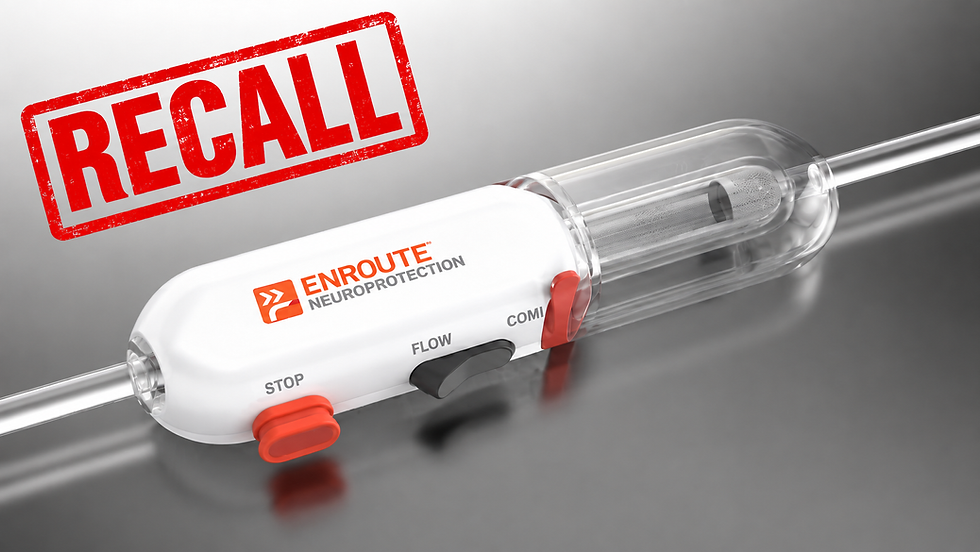
• The HeartString itself – A small device inserted into the opening. Once in place, it deploys and creates a sort of upside-down umbrella ☂ effect, blocking excess blood from entering the field so the surgeon can perform the anastomosis with a clear view.
It’s clean. It’s controlled. And for a moment, it turns a high-pressure part of the procedure into something surgically elegant.
Here’s the thing: students don’t often get to see tools like this. You don’t know they exist unless you’re in the room when they’re used — and that’s what makes real OR exposure so essential. Because beyond your textbooks and checklists, there’s a whole world of supplies, strategies, and specialties waiting for you. The more you learn about them now, the more confident and capable you’ll be when it’s your turn to assist.


Comments